Made in France: 7 Good Reasons to Buy Handmade in 2026
Why buy handmade, made in France, in 2026? 7 concrete reasons, from short supply chains to uniqueness, from OÈST Ateliers.
By OÈST Ateliers2 min read
Made in France: a label or a conviction?
The made in France label has become a very common marketing argument. But it still has to be genuine. At OÈST Ateliers, made in France is not a slogan: it is the entire production chain. Here are 7 concrete reasons.
1. Real traceability
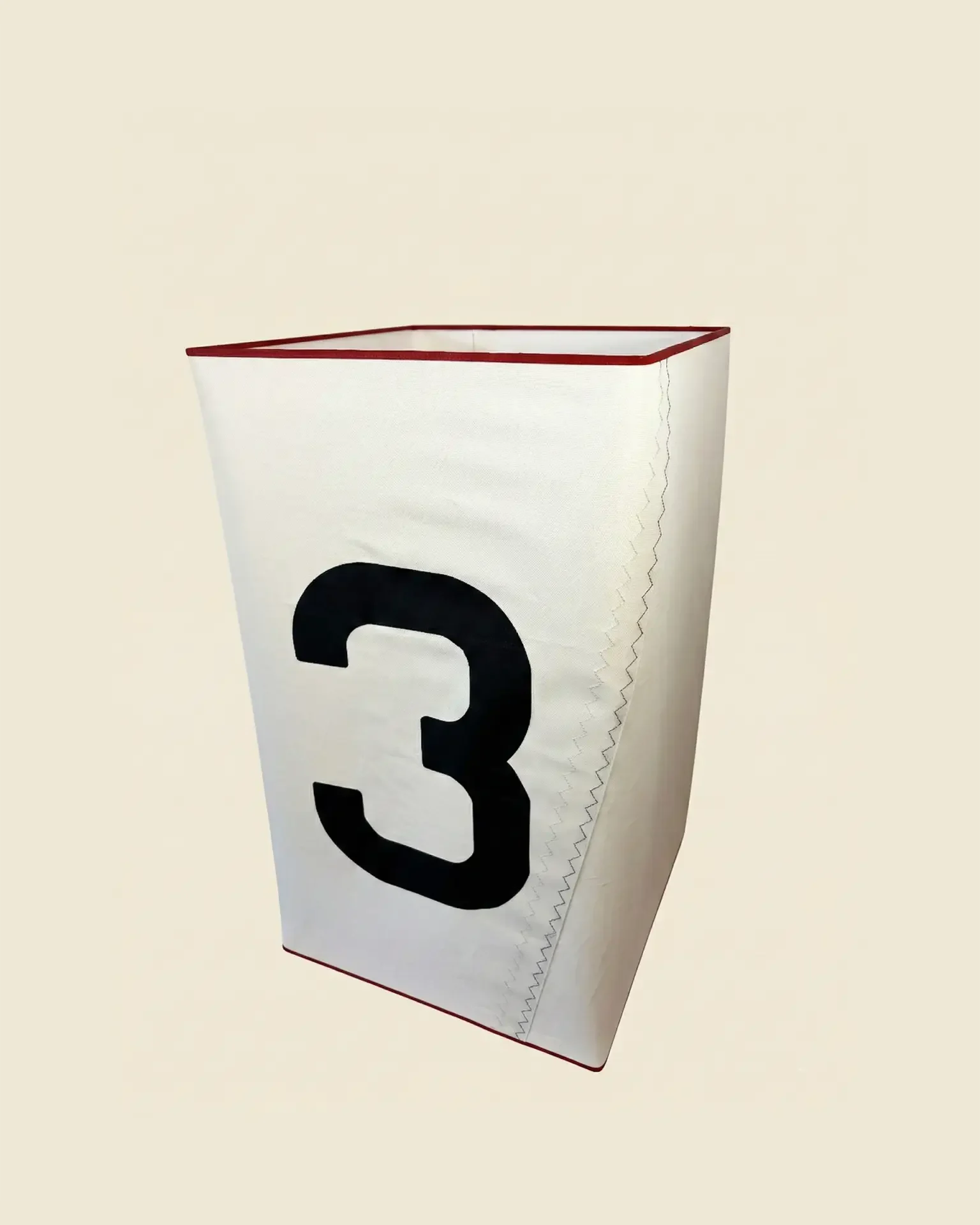
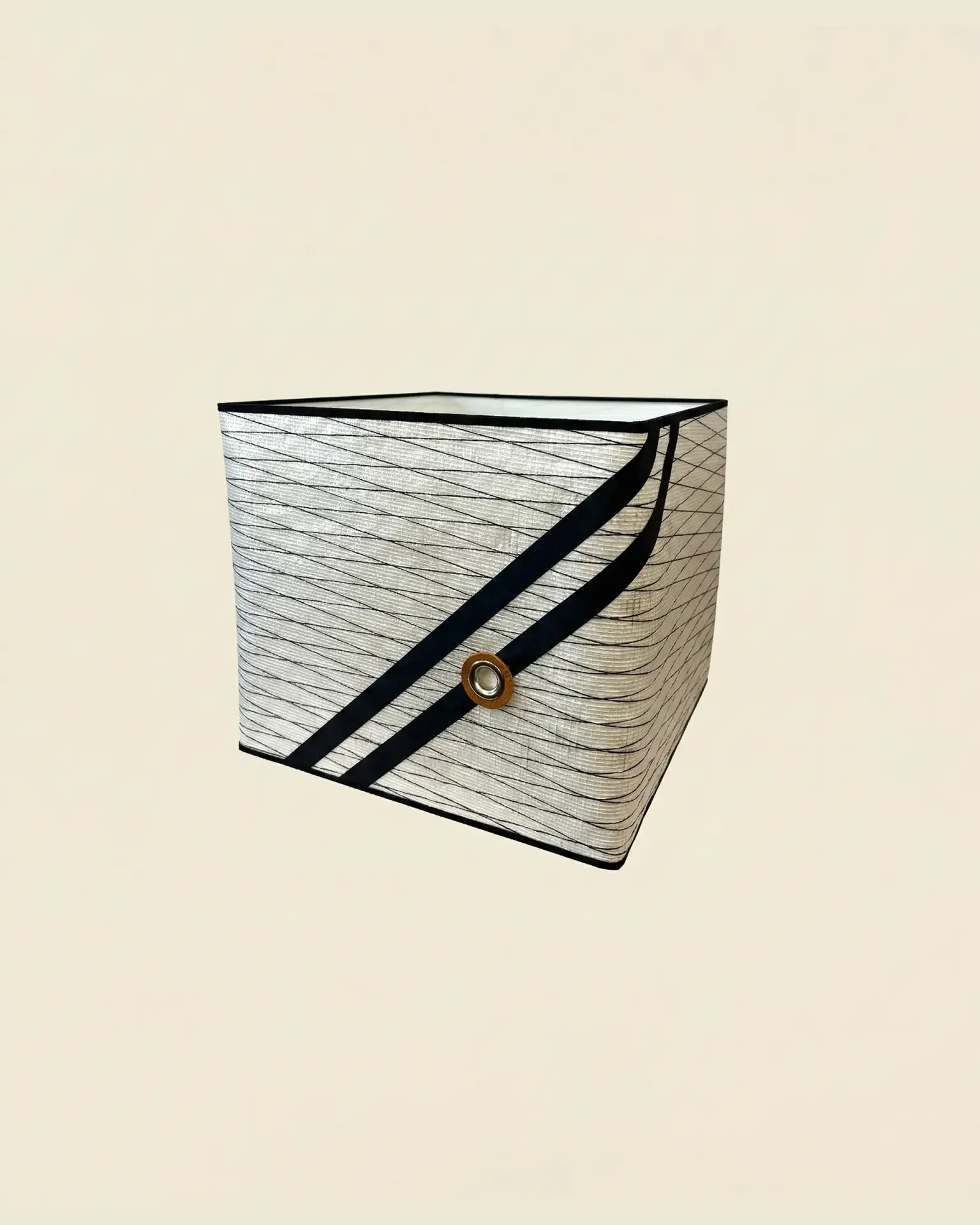
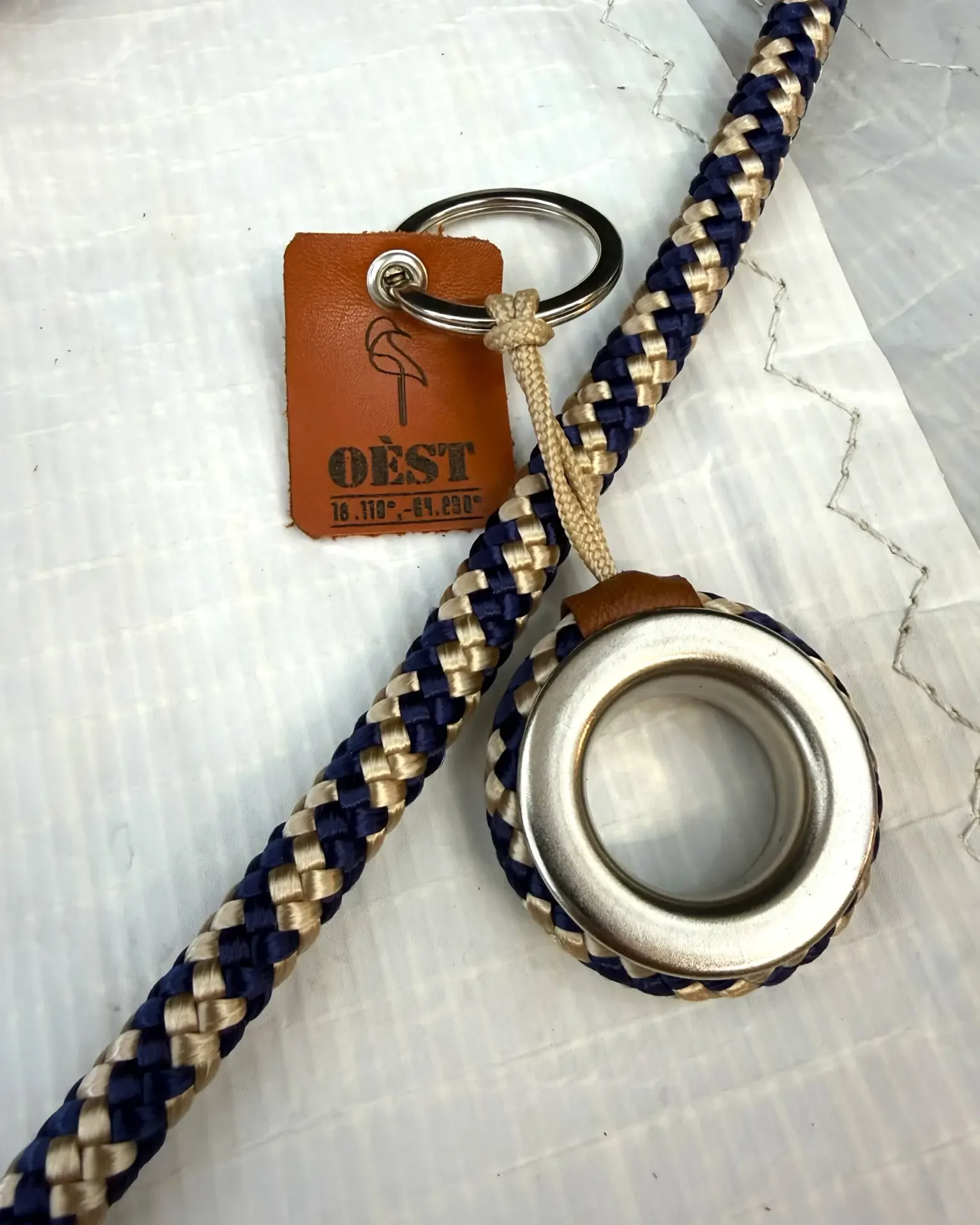
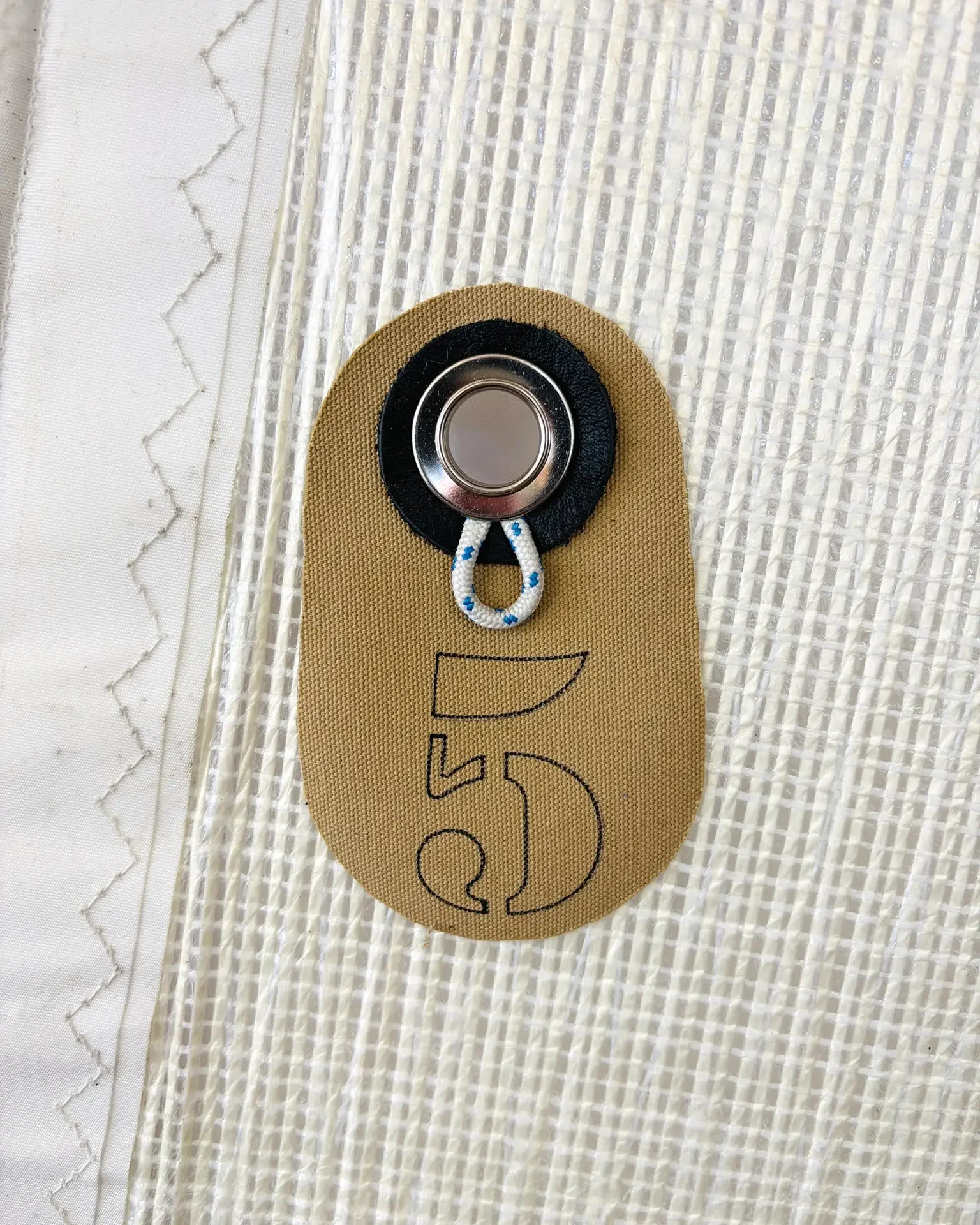
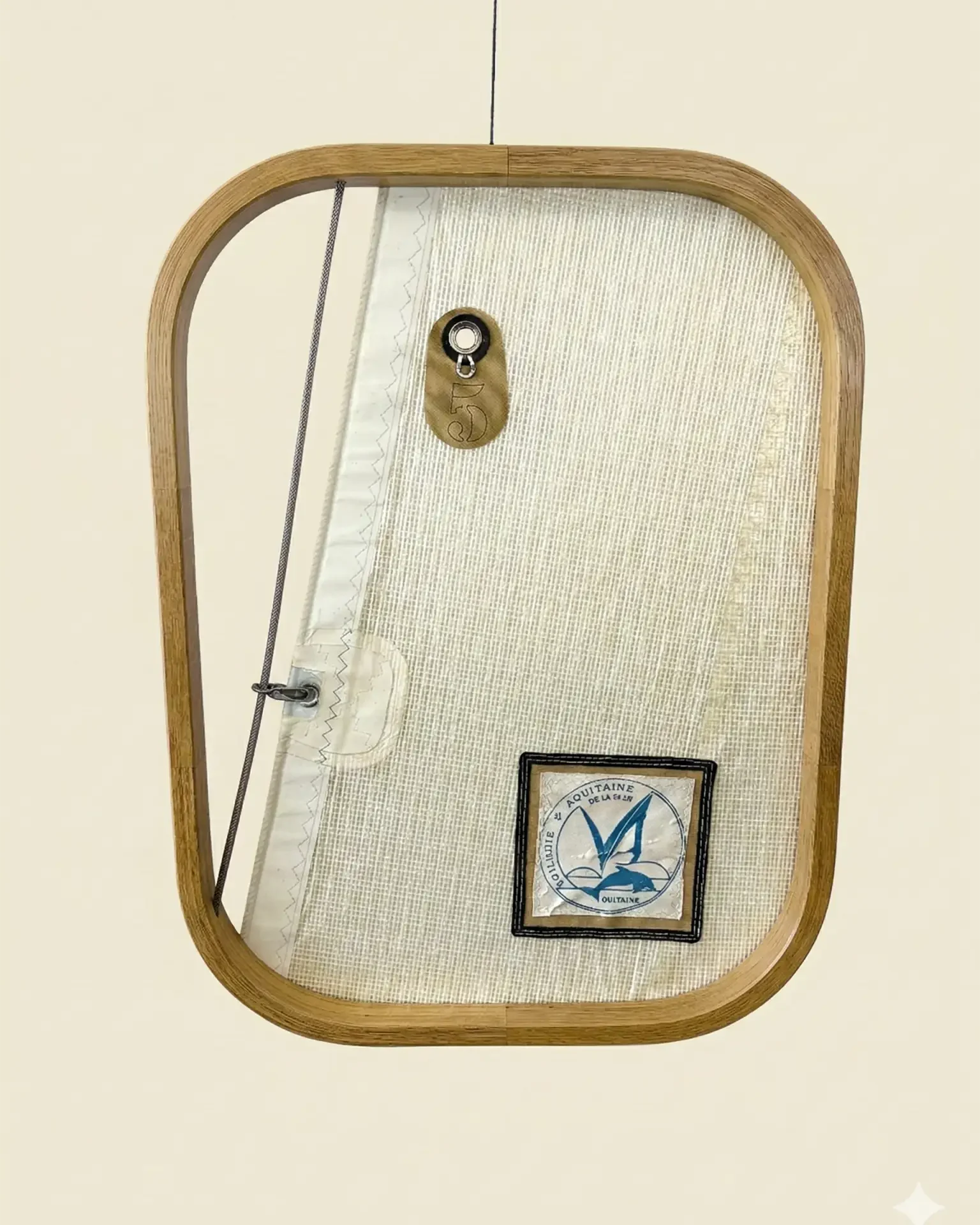
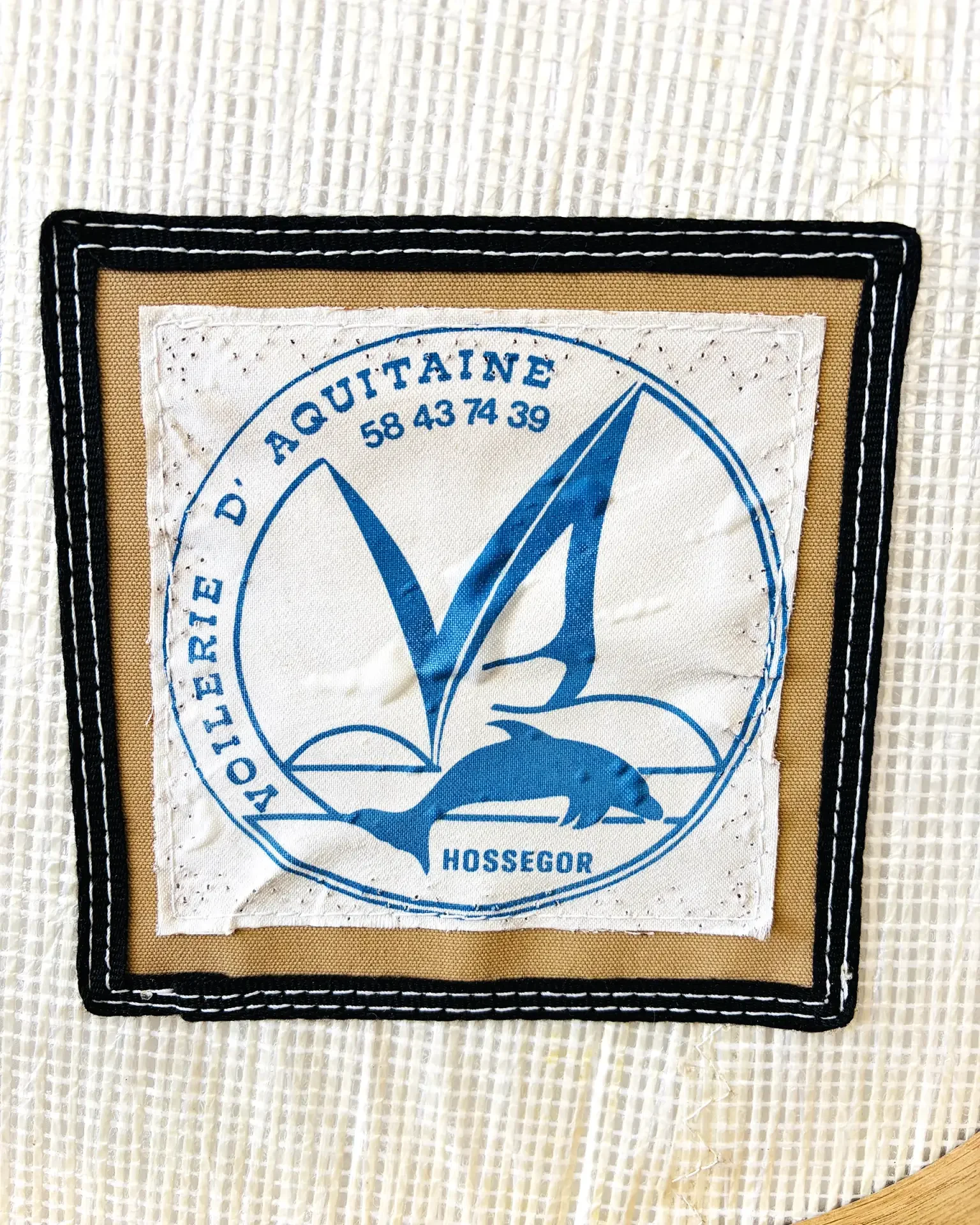
When you buy from OÈST, you know where the sail was recovered, where the wood grew, who sewed it, and in which Landes workshop. This traceability is impossible with an offshored product.
2. Unique craftsmanship
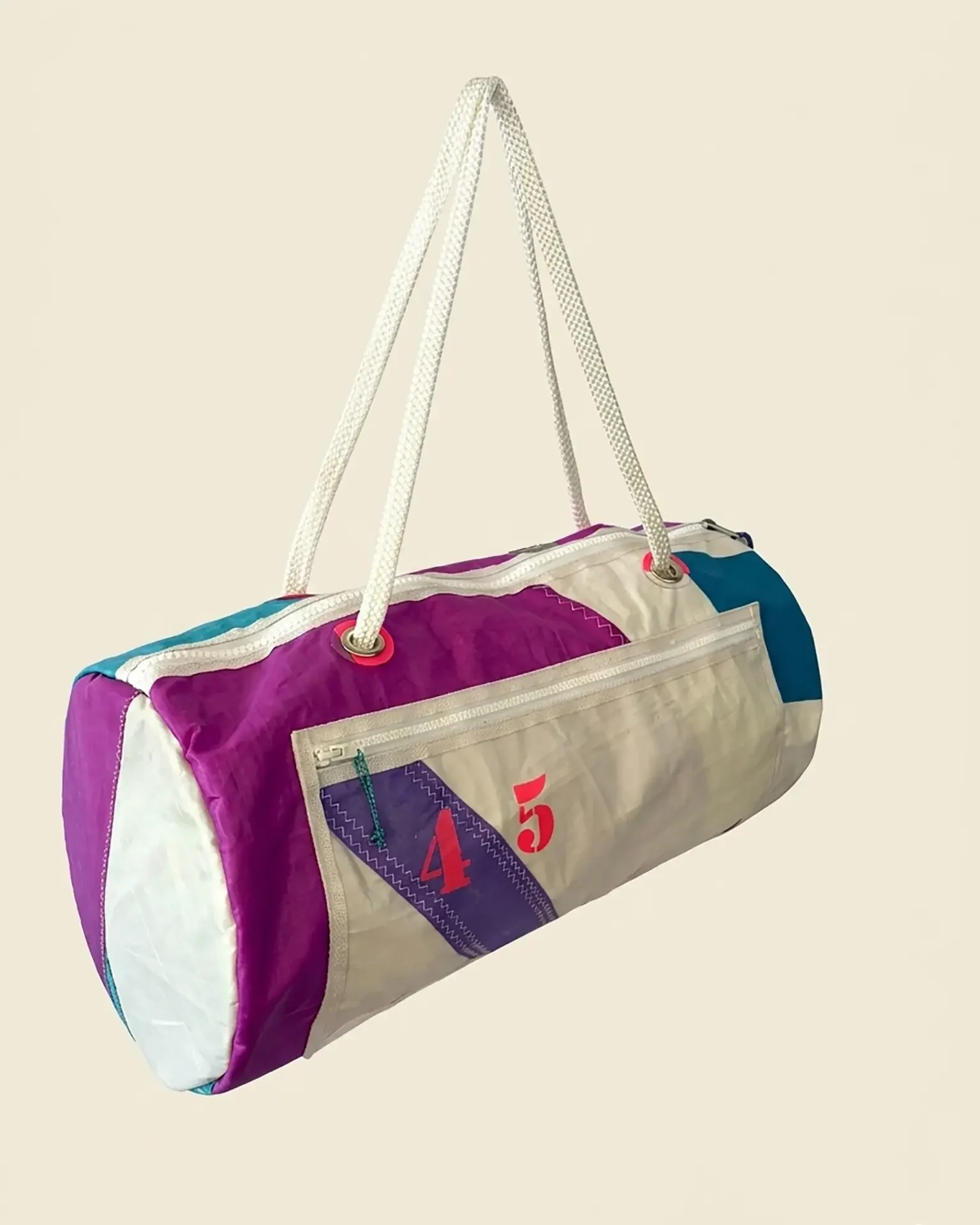
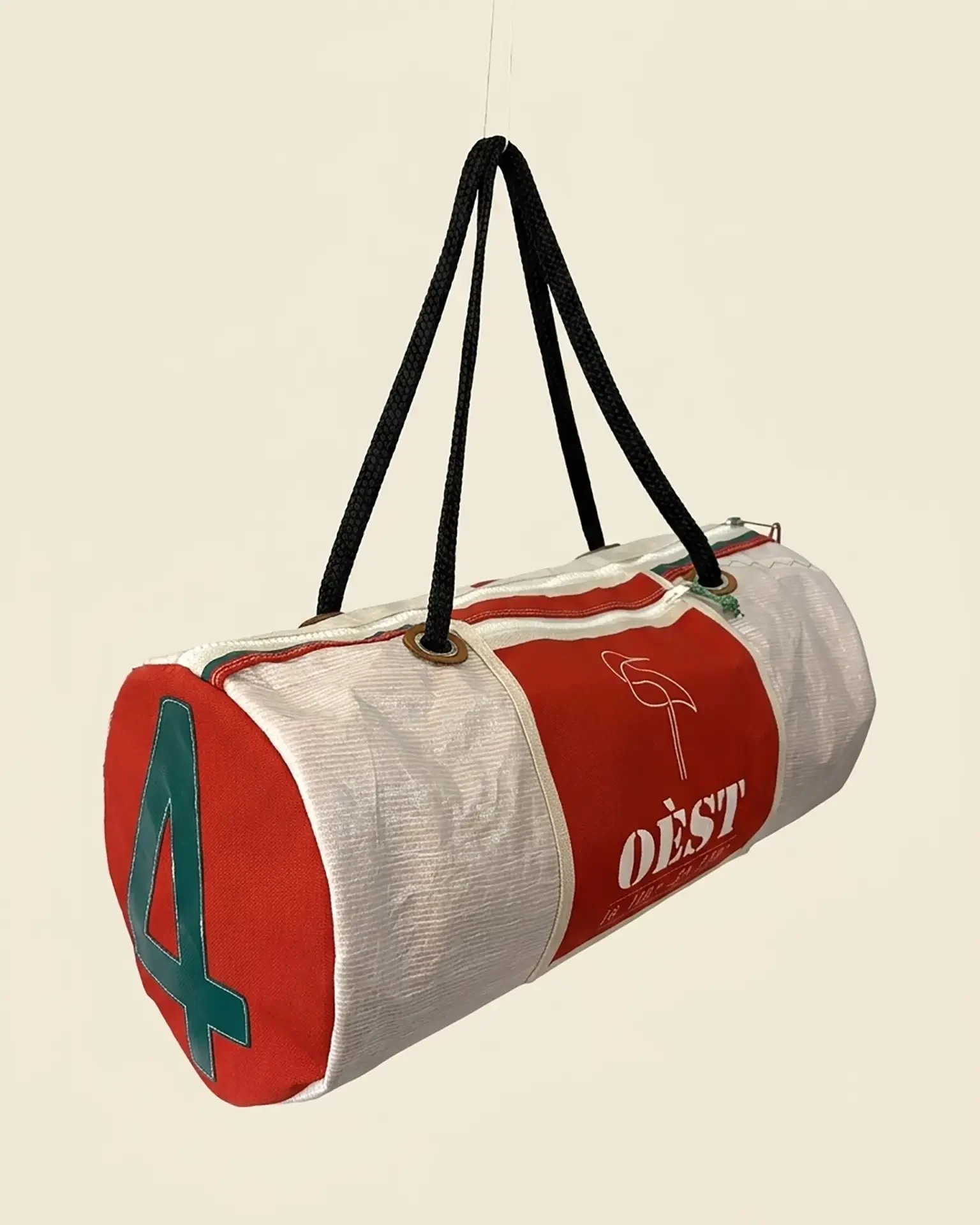
French craftsmanship is the heir to hundreds of years of techniques (marine sewing, cabinetmaking, woodturning). Buying handmade means keeping these skills alive.
3. Measurably superior quality
An OÈST lamp or bag lasts 15 to 20 years. An equivalent industrial product rarely more than 5. The cost per use is lower.
4. A reduced carbon footprint
No intercontinental transport, no endless packaging, local and upcycled materials. The carbon footprint is up to 10 times lower than that of an imported product.
5. Supporting the local economy
Buying from OÈST keeps a Landes craftsman in business, along with his wood suppliers, his sail-loft partners, his accountant and his insurer. The money stays in the region.
6. A human guarantee
A problem? A made-to-measure request? A repair? You speak to Nicolas directly, not to a robotic customer service. That is rare and precious.
7. A story to tell
Every OÈST piece carries a story: the sail comes from a particular boat, the wood from a particular forest, the object was made in a particular month. That added story is priceless.
How to check that a product is really made in France
- Is the workshop identified and can it be located?
- Is the craftsperson named?
- Are the materials traceable?
- Is the "about us" page precise or vague?
- Does the company also sell on Asian marketplaces? (a negative signal)
Our made in France commitment
OÈST Ateliers ticks all these boxes. An identified workshop in the Landes, a single named craftsman (Nicolas de Chénerilles), traceable materials, one-off production. To go further: our story, our commitments, our upcycling philosophy, the shop.