Recycled Boat Sails: Materials and the Upcycling Chain Explained
Understand the materials boat sails are made of (Dacron, spinnaker, Kevlar) and their second life through artisan upcycling at OÈST Ateliers.
By OÈST Ateliers2 min read
Recycled boat sails: an overlooked textile treasure
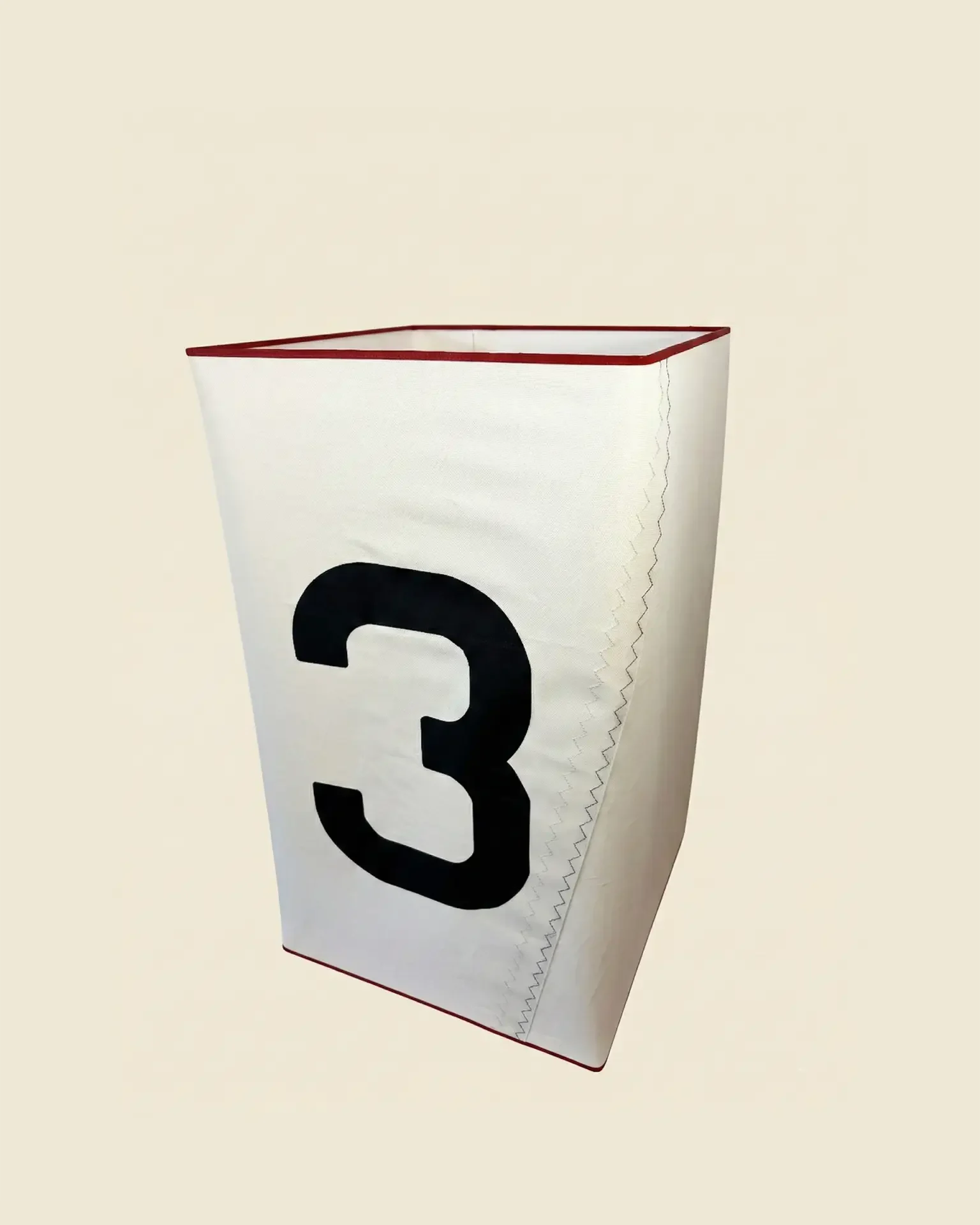
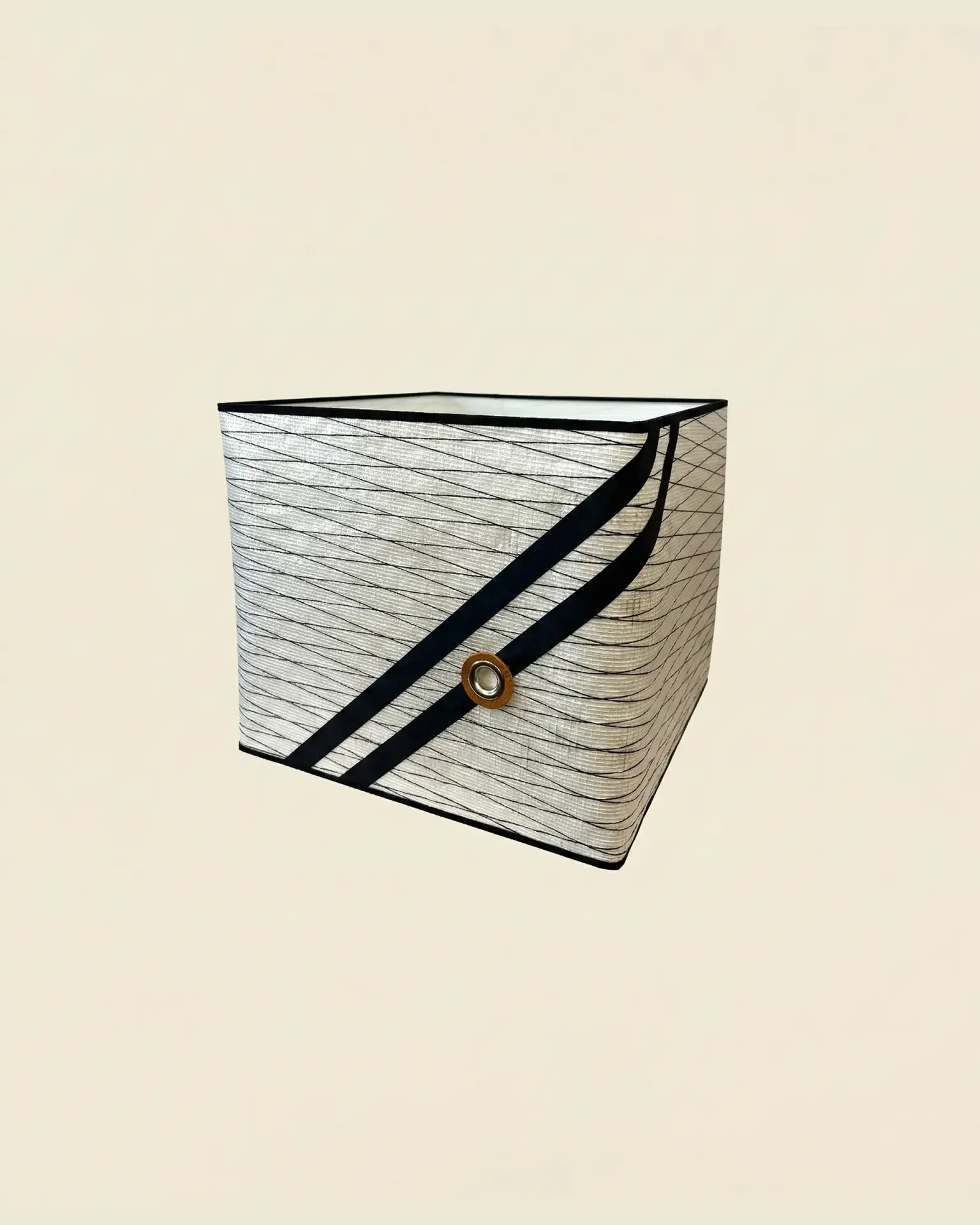
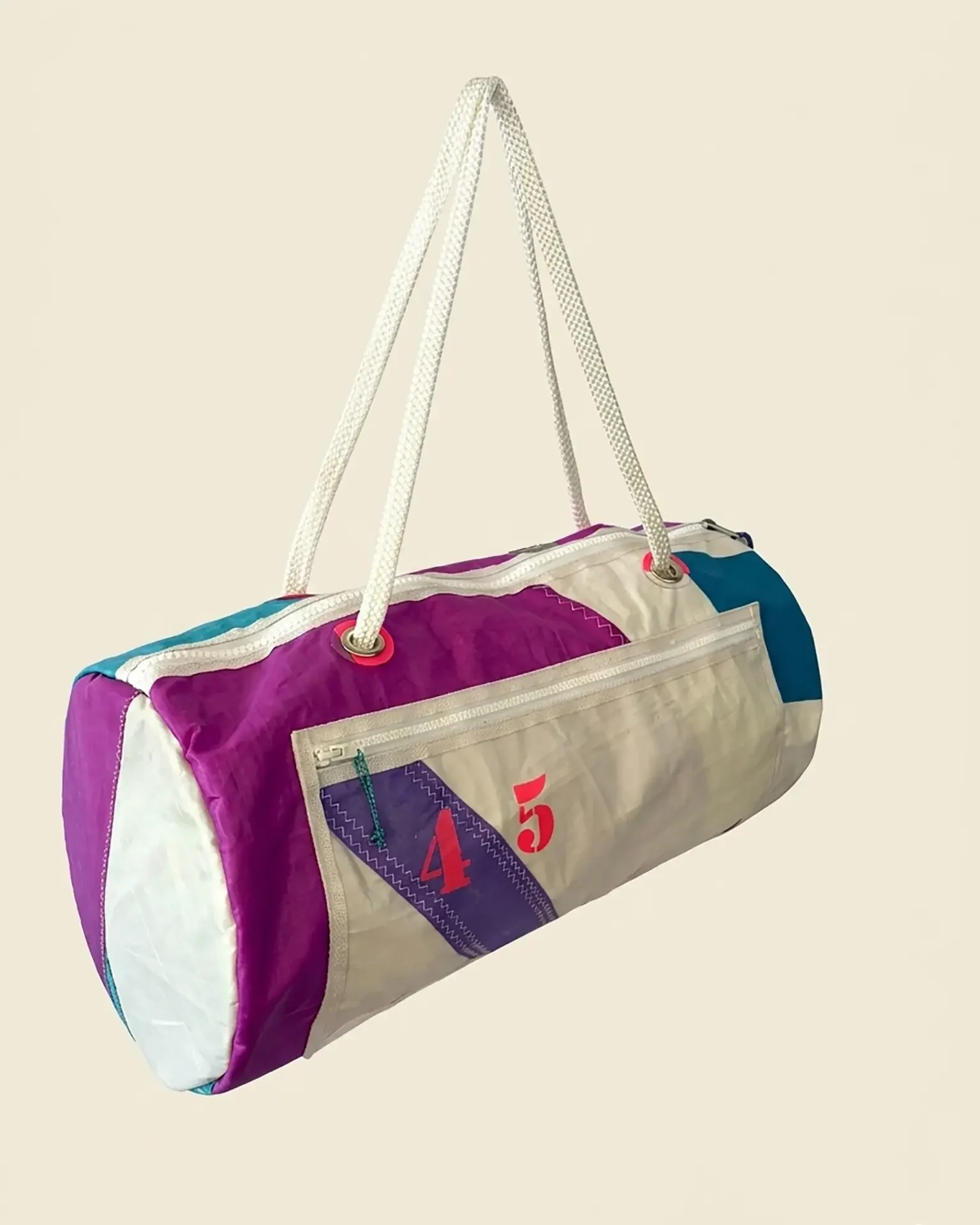
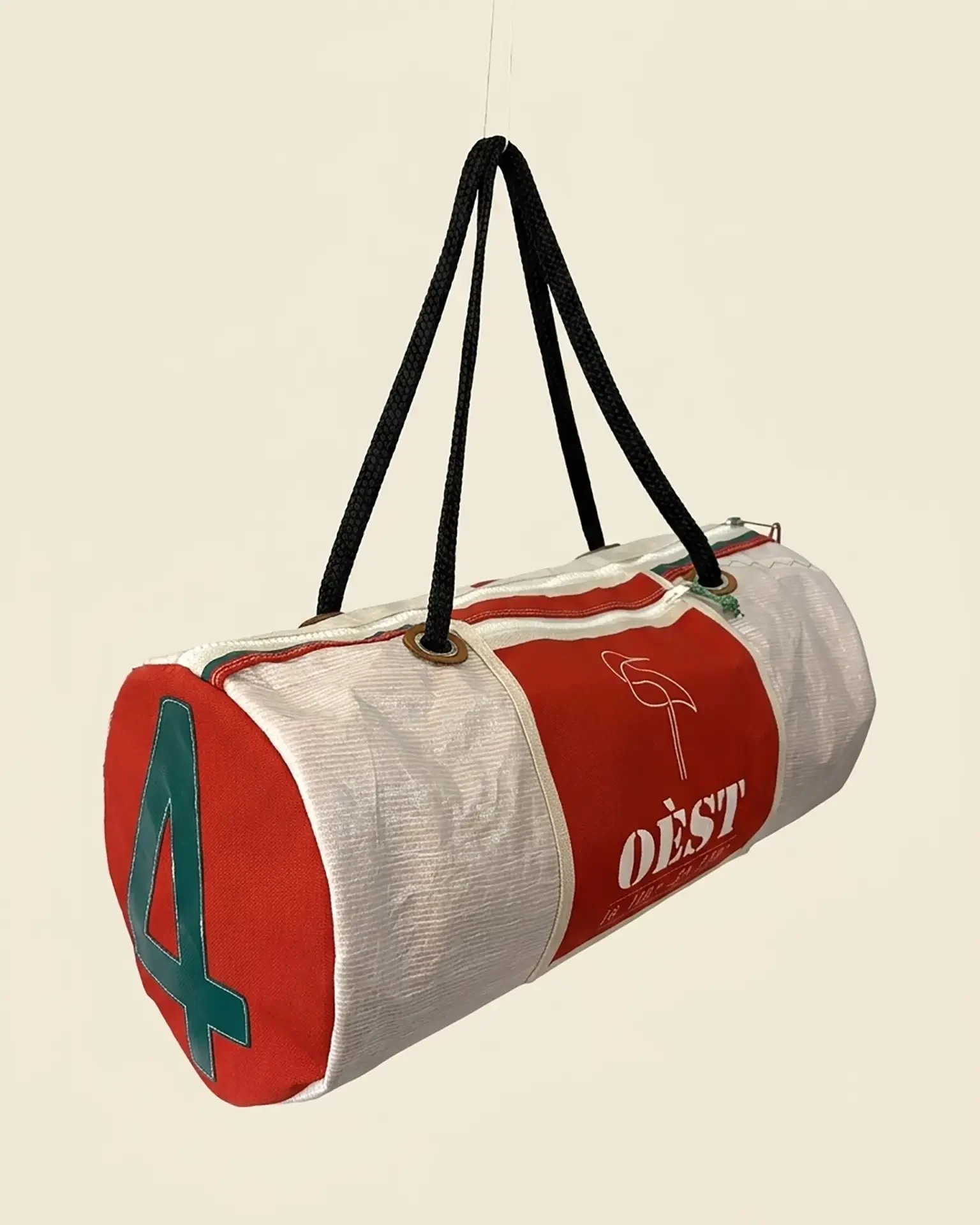
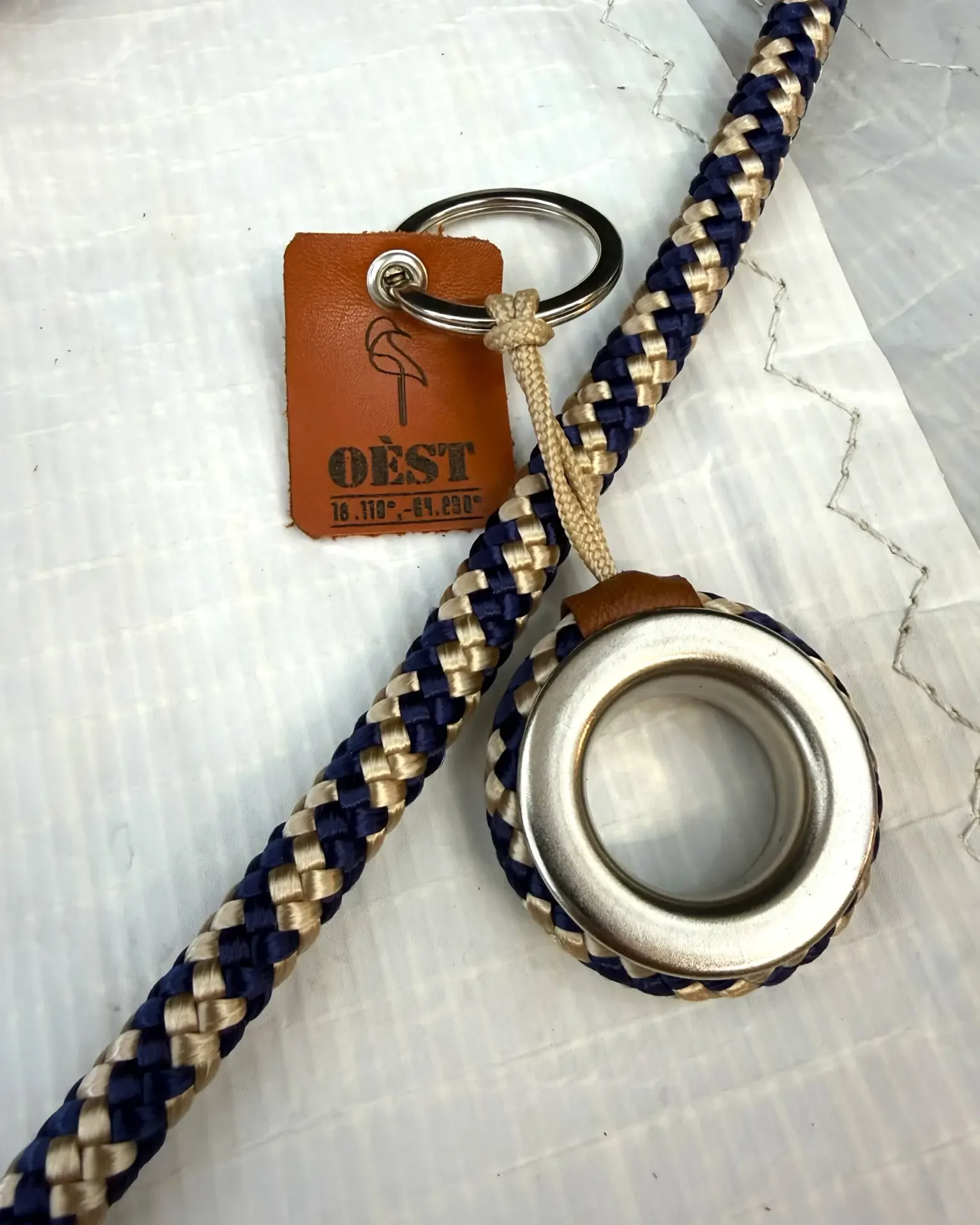
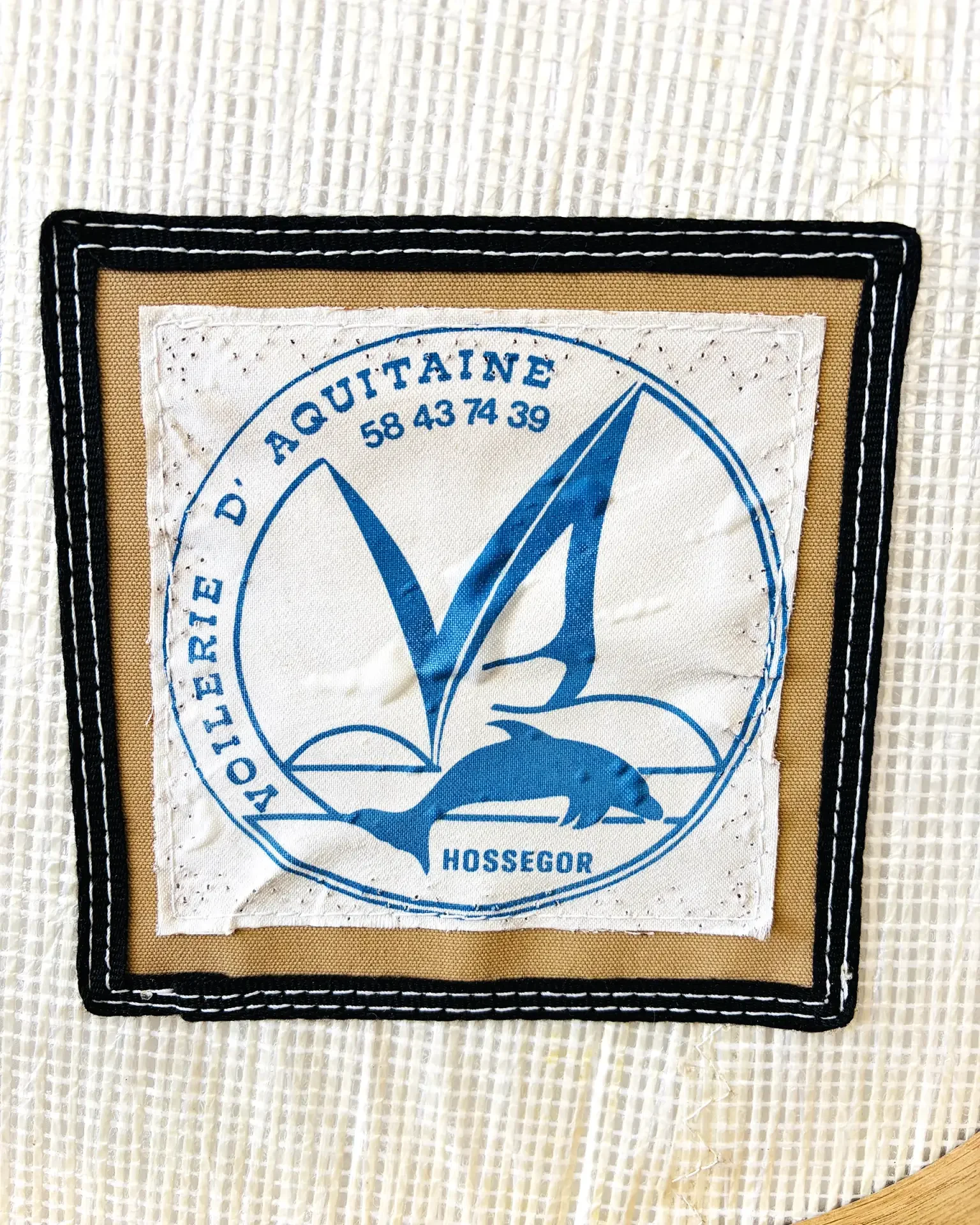
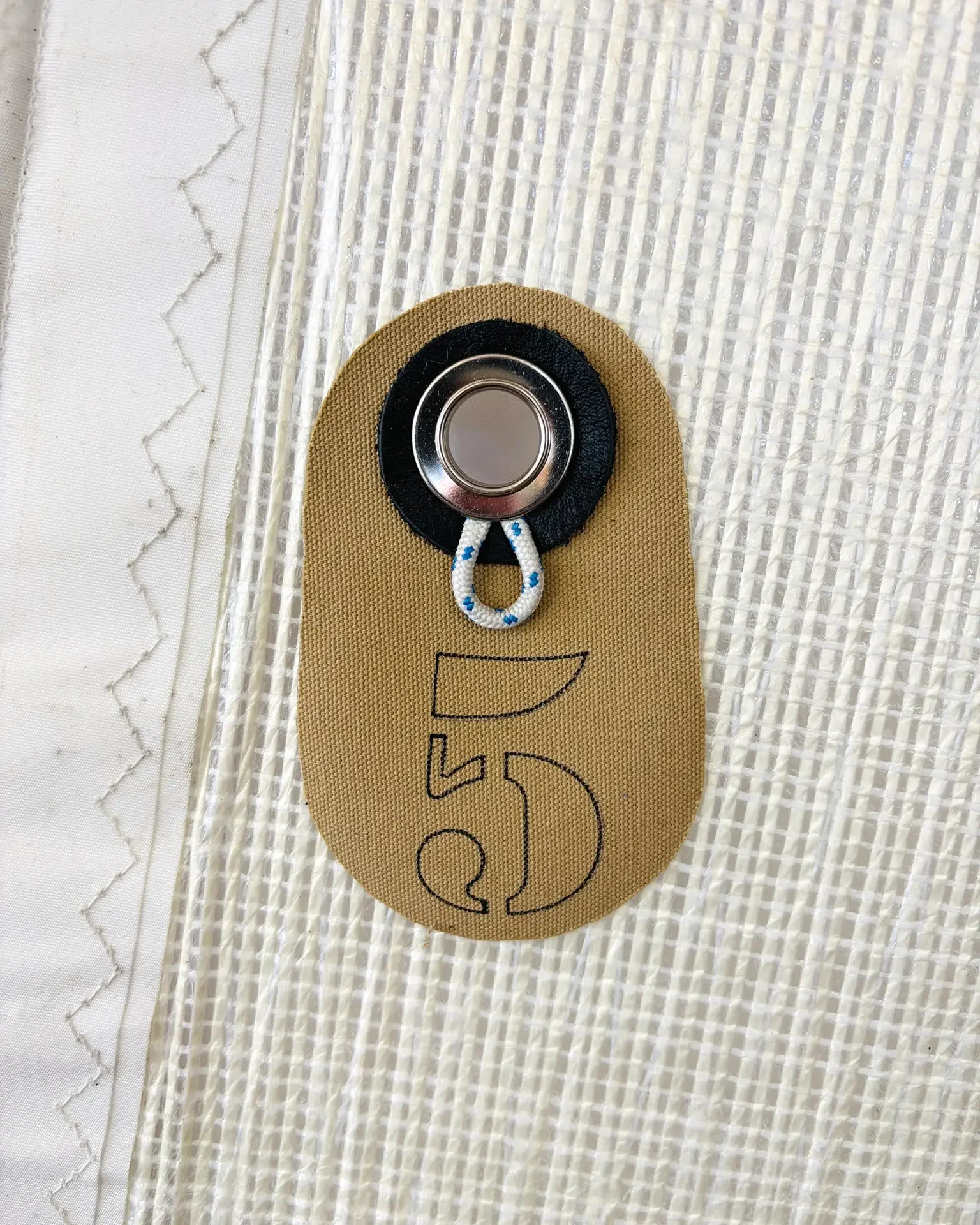
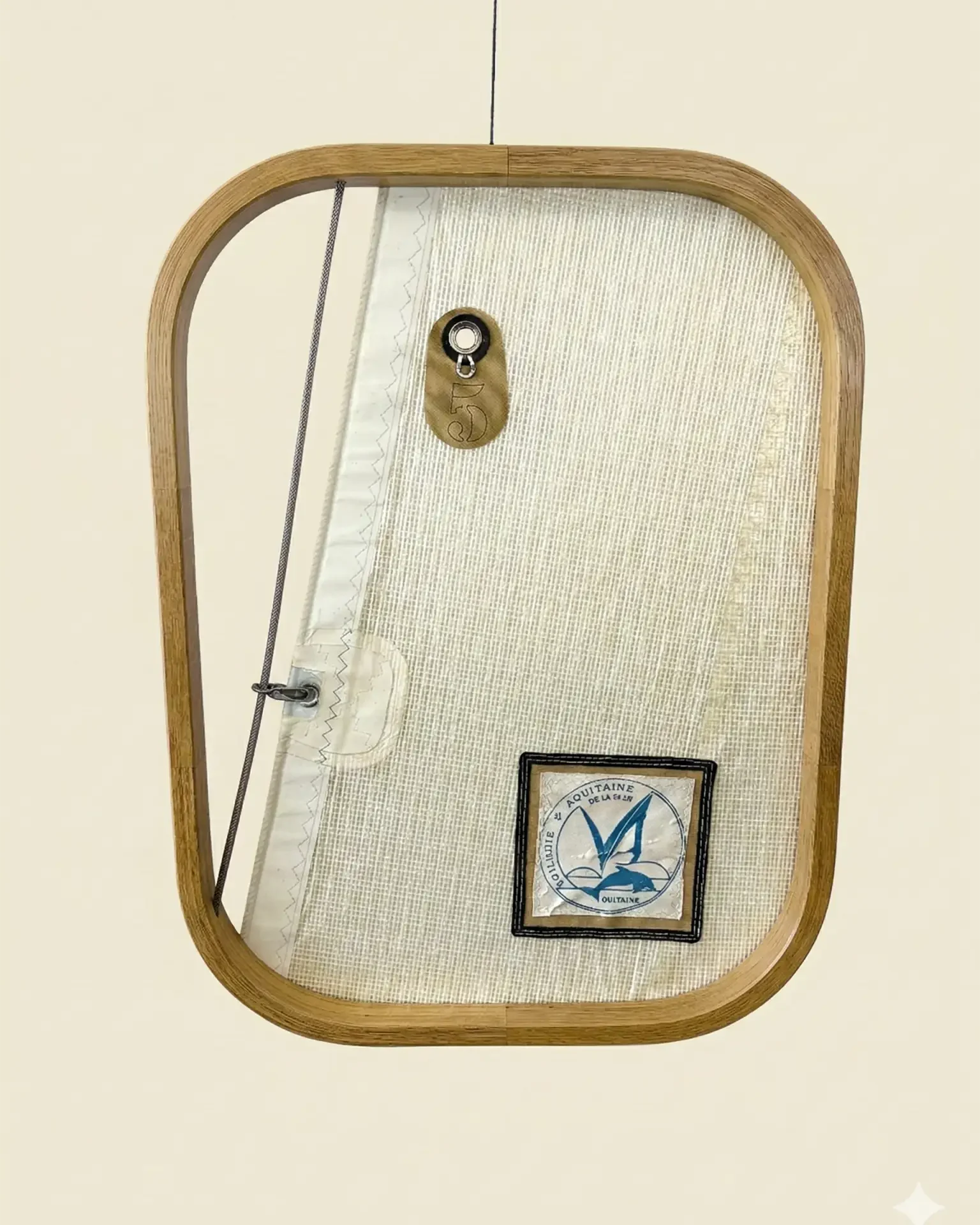
When a sailing boat reaches the end of its career, its technical sails often end up at the waste facility. Yet these offshore fabrics hold exceptional potential for craftwork. At OÈST Ateliers, in the Landes, we have been turning this noble raw material into unique lamps, bags, baskets and artworks since 2019.
This article explains the main materials that make up a modern sail, their original lifespan, and how the French recovery chain is organised.
The technical materials of a boat sail
Dacron (polyester): the all-rounder sail
Dacron is the most widespread fabric on cruising yachts. A tightly woven, UV-treated polyester, it lasts 5 to 10 years depending on use. It is the queen of upcycling materials: widely available, a neutral palette (off-white, ecru), and a firm weave that is ideal for bags, lampshades and cushions.
Spinnaker (ripstop nylon): colour and lightness
Racing spinnakers, those colourful fan-shaped sails, give upcycling its most cheerful palette. Ultra-light ripstop nylon, graphic patterns, bright colours: perfect for cushions, baskets or abstract wall compositions.
Kevlar and Mylar: high performance
Racing sails incorporate technical fibres (Kevlar, carbon, Mylar) that give them their characteristic amber tint. Very strong but brittle at the end of their life, they rarely make it into our production, except for collector pieces such as wall art.
The recovery chain in France
OÈST sourcing relies on a network of local partners:
- Professional sail lofts on the Atlantic coast that discard repair offcuts and unsaleable sails
- Private sailors who want to give their old sail a second life
- Racing sailors who regularly replace their racing spinnakers
- Partner port waste facilities through a short supply chain
Each sail is sorted, washed, inspected, then stored according to its material and weight. Damaged pieces become workshop prototypes; the best surfaces are kept for the finest pieces.
Why it is a strong environmental act
A boat sail weighs on average 20 to 80 kg of technical textile. Recycled, that is as much material that ends up neither incinerated nor in landfill. It is also a saving in production: we make things from a resource that is already woven, treated and transported.
OÈST creations in recycled sail
Discover all our work in the online shop: our sail lamps, our bags, our OTAN baskets or our abstract artworks. To find out more, read our story and our environmental approach.